
By Angie Richey, Ph.D., LMFT President of Life Pacific University
The World Needs More Mental Health Professionals
In 2024, 61.5 million American adults experienced some form of mental illness, yet only 52.1% received mental health treatment. (SAMHSA) At the same time, the federal Health Resources and Services Administration projects significant shortages across the behavioral-health workforce by 2038, including approximately 100,000 mental health counselors and more than 33,000 marriage and family therapists. Those projections are based on current utilization and do not fully account for existing unmet need. (Bureau of Health Workforce). We also see the need in our families and communities but most don’t know where to begin.
California alone is facing a significant behavioral-health workforce shortage. State workforce projections identify shortages across all 58 counties and point to the need for thousands more qualified behavioral-health professionals.
Behind those numbers are real people, individuals, couples, families, churches, schools, and communities looking for help.
We don’t simply need more people who care about mental health. We need more people equipped to help.
That’s why Life Pacific University’s on-campus BA in Psychology, online BA in Psychology, and Master of Arts in Counseling programs matter now more than ever.
As a licensed marriage and family therapist, educator, and university president, I have spent years asking a question that sits at the heart of our programs:
If you want to help people heal, you first have to understand how they became who they are.
What Makes Psychology at Life Pacific University Different?
Every person has a story. Every person is made in the image of God.
Long before adulthood, we are being shaped by family, attachment, relationships, development, culture, experiences, loss, trauma, faith, and community. Those experiences can influence how we relate, communicate, manage emotions, respond to stress, and understand ourselves and others.
At Life Pacific, students don’t simply study behavior.
We teach them to get beneath the behavior.
Our psychology programs examine human development, biblical integration, psychological theory and research, relationships, family systems, emotional health, and behavior while integrating a Christian understanding of human dignity, spiritual formation, purpose, and flourishing.
We don’t believe students should have to choose between academic rigor and Christian faith.
We pursue both.
Christian Psychology Education That Develops the Whole Person
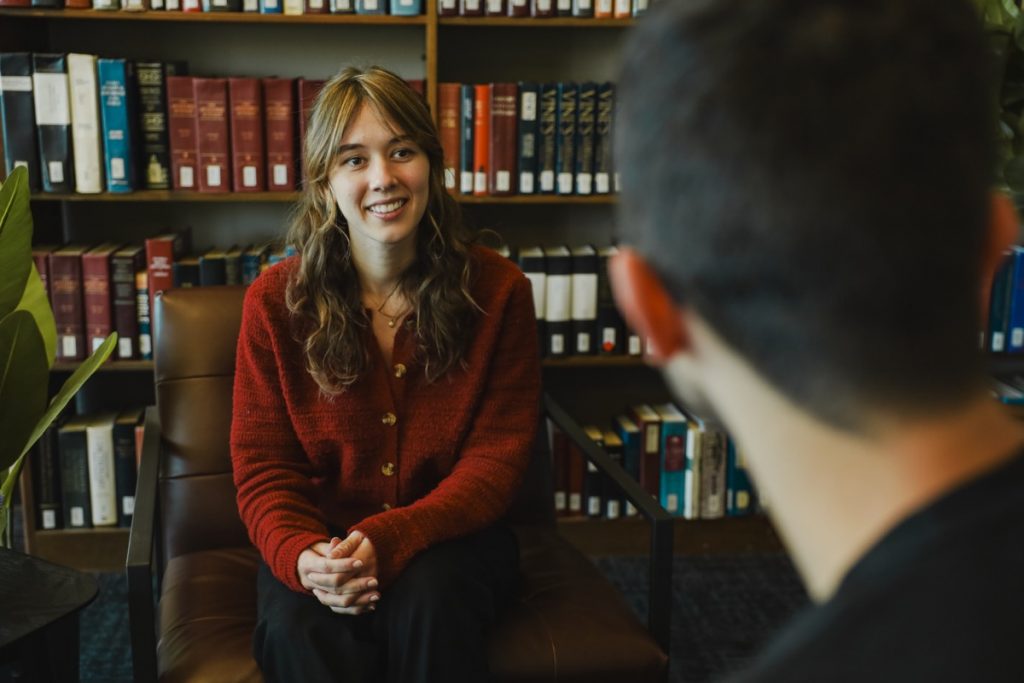
Our approach to faith-integrated psychology begins with understanding the whole person.
Students learn to ask:
What shaped this person? Why might this pattern have developed? How do relationships and family systems influence development? What promotes resilience? How can evidence-informed psychological knowledge help people grow? And how does Christian faith deepen our understanding of human dignity, purpose, relationships, and transformation?
But there’s another dimension that makes our approach distinctive.
Students also learn to understand themselves. Counselor formation is a priority.
For anyone preparing to counsel, lead, teach, minister, or serve others, self-awareness matters. Emotional intelligence matters. Character matters.
The ability to remain present with another person’s story matters.
Our goal isn’t simply to graduate students who know more about psychology. We want to develop people who can think critically, relate wisely, serve compassionately, and understand human beings more deeply.
Prepare for LMFT and LPCC Licensure Pathways in California and Beyond
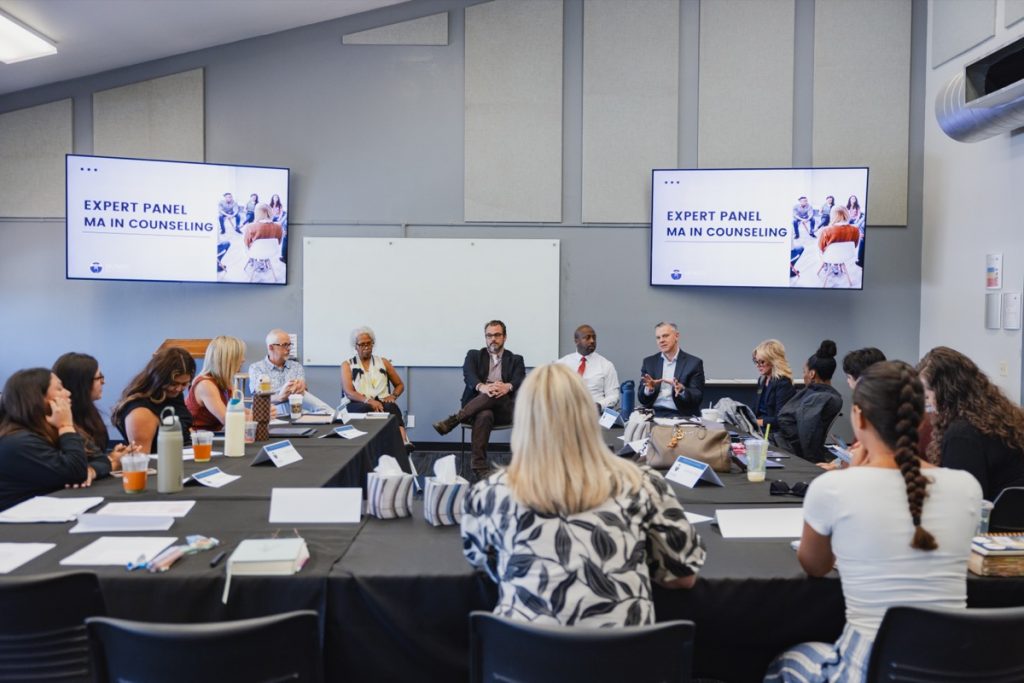
For students called to professional counseling, Life Pacific University’s Master of Arts in Counseling (MAC) builds upon this foundation with graduate-level clinical preparation.
The program is designed to prepare future clinicians pursuing pathways toward Licensed Marriage and Family Therapist (LMFT) and Licensed Professional Clinical Counselor (LPCC) licensure in California and outside of California.
Students develop the knowledge and clinical competencies needed to become practitioners who are:
- Clinically skillful
- Developmentally informed
- Relationally aware
- Ethically grounded
- Emotionally intelligent
- Spiritually sensitive
- Prepared to work with diverse individuals, couples, and families
Our students move beyond simply asking, “What is happening?”
They learn to explore another important question:
“What happened, what shaped this person, and what may help create meaningful change?”
Through graduate study and clinical preparation, future counselors learn to integrate psychological theory, assessment, spiritual discernment, human development, relationships, family systems, therapeutic skills, and evidence-informed approaches to counseling.
The goal is to prepare clinicians capable of sitting with real people facing real pain—and helping them move toward greater awareness, healthier relationships, resilience, and meaningful change.
Why Faith Integration Matters in Mental Health Education
For Christian students called to mental health care, faith isn’t an accessory added to clinical training.
It is part of how they understand human dignity, meaning, purpose, relationships, roots of pain, suffering, hope, and restoration.
At the same time, spiritual conviction does not replace clinical competence.
Excellent counseling requires both compassion and skill.
At Life Pacific, we want students to understand appropriate distinctions between professional clinical care and spiritual care while becoming thoughtful professionals capable of integrating their Christian worldview ethically and responsibly.
That preparation can also strengthen the church.
Pastors and ministry leaders regularly encounter people navigating anxiety, depression, grief, trauma, relational distress, family challenges, and other mental-health concerns. Pastoral care is not a substitute for licensed clinical treatment, yet it’s vitally important. Churches benefit when leaders understand mental health, recognize when specialized care may be needed, and build healthy relationships with teams of helpers and qualified clinicians.
Our communities need stronger bridges between spiritual care, intervention, and excellent mental health care.
Turn Your Calling to Help People Into a Career
Perhaps you’ve always been fascinated by people.
Maybe you’re the person friends naturally come to when life becomes difficult.
Perhaps you want to become a therapist, pursue graduate school, work in behavioral health, serve families, or bring a deeper understanding of people into ministry, education, business, or organizational leadership.
Or maybe you’re an adult learner who has spent years helping others and is finally ready to turn that calling into professional preparation.
There has rarely been a more important time to prepare.
Life Pacific’s psychology programs can provide a foundation for further education and careers where understanding human behavior and relationships matters.
And for students called to clinical counseling, our Master of Arts in Counseling offers a pathway toward the professional preparation required for LMFT and LPCC licensure in California.
You Don’t Just Study Psychology. You Learn to Understand People.
Psychology changed my own life.
It gave me language for parts of my story I had experienced but didn’t yet understand. It taught me that understanding our formation can create greater awareness and awareness can give us opportunities to develop healthier patterns.
That conviction continues to shape how I think about educating future helping professionals.
Your story can help explain who you have become. It does not have to determine who you are becoming.
We want Life Pacific graduates to understand that for themselves and then develop the knowledge, character, and professional skills to help others move toward greater health and wholeness.
Because behind every behavior is a person. Behind every person is a story. And every person deserves to be met with dignity, wisdom, compassion, and skill.
The Need Is Great. Your Calling Matters.
The world needs more qualified biblically integrated mental health professionals. Our churches and communities need leaders who understand people. And individuals and families need clinicians prepared to meet complex needs with competence and compassion.
Understand people. Get beneath the behavior. Develop clinical skill. Integrate faith and learning. Help change lives.
If you feel called to help people, this may be your next step.
Explore Life Pacific University’s Psychology and Master of Arts in Counseling programs and prepare to turn your calling to help others into a profession.
Explore the Programs and Student Experience
- B.A. in Psychology, on campus
- B.A. in Psychology Online
- Master of Arts in Counseling
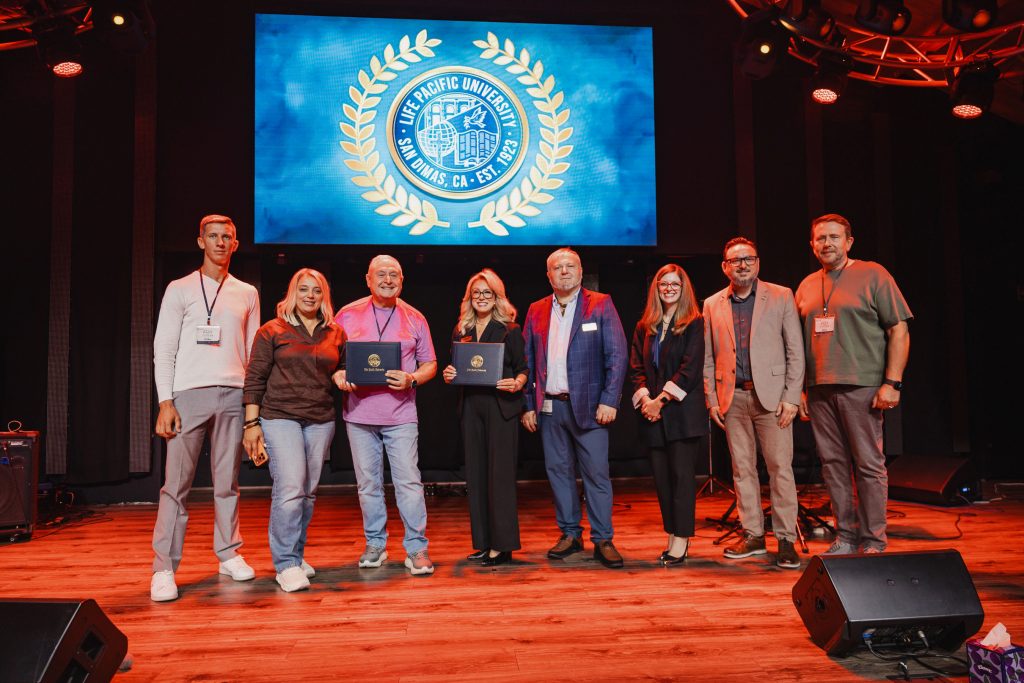
- Meet LPU’s first graduating Master of Arts in Counseling cohort
- See how MAC students learn and connect during Graduate Residency Week
Frequently Asked Questions
Can I become an LMFT with a master’s in counseling?
Yes, if the degree meets the applicable educational requirements. LPU’s Master of Arts in Counseling is approved for California’s LMFT and LPCC educational pathways. Graduation alone does not confer a license; graduates must also complete the applicable supervised experience, examinations, and other state requirements. Requirements outside California vary by state.
What is the difference between LMFT and LPCC?
Both are professional counseling licenses. The LMFT pathway emphasizes treatment in the context of relationships and family systems, while the LPCC pathway prepares clinical counselors to address a range of mental-health concerns. LPU’s MAC program supports the educational requirements for either California pathway.
Can I study psychology from a Christian perspective?
Yes. LPU’s B.A. in Psychology integrates the study of human behavior and development with biblical perspectives. Its MAC program brings psychological theory, clinical preparation, and spiritual formation together.
What careers can I pursue with a psychology degree?
A bachelor’s degree in psychology can prepare graduates for roles in social-service and other helping settings, or for graduate study in fields such as counseling, marriage and family therapy, and social work. Becoming a licensed clinician requires further education and meeting the requirements of the state where you intend to practice.